Timber Floor Samples

Real finish samples — click any image to view full size

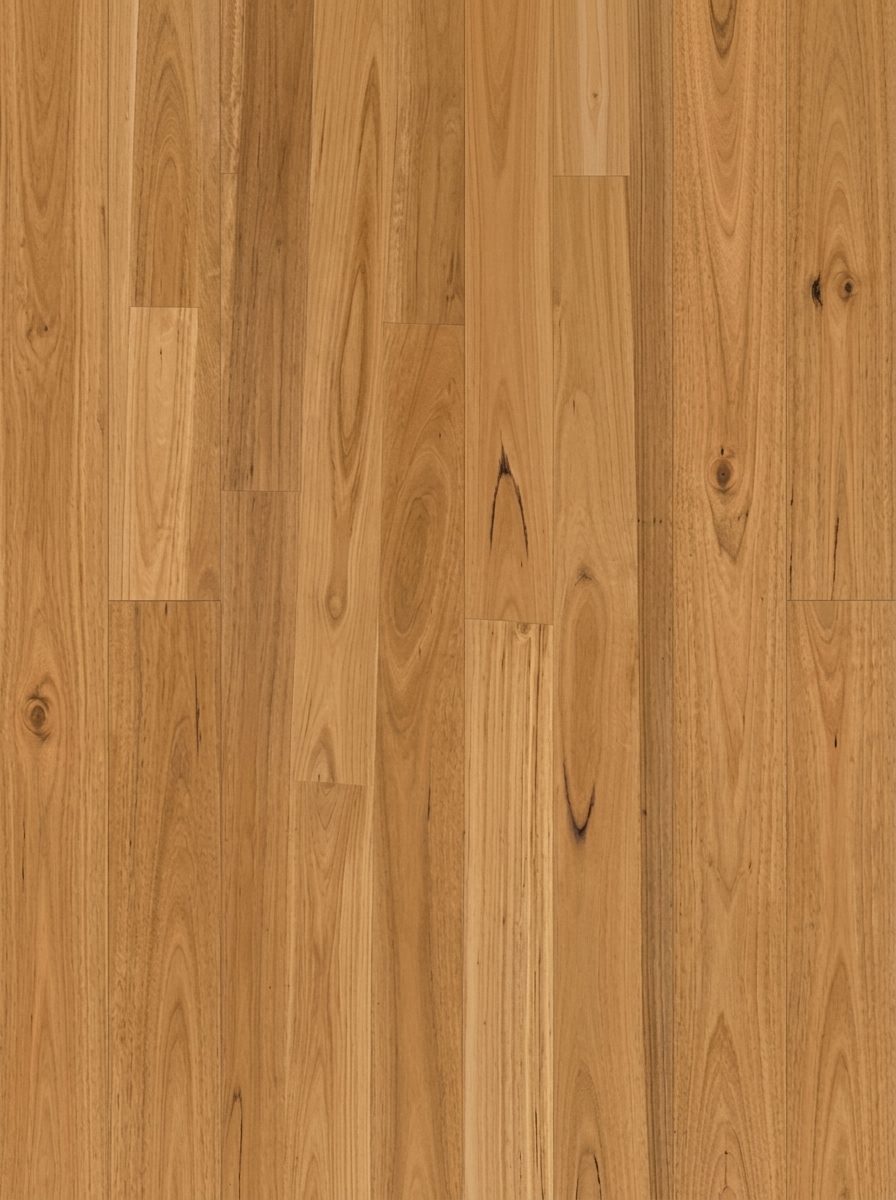
Blackbutt

One of the most widely used hardwoods in Australian flooring. Pale golden-yellow tones keep rooms light and open. Naturally termite and fire resistant — rated to BAL 29. Stable, consistent, and responds well to any finish.
Pros
  • Hard and durable — 9.1 kN Janka
  • Naturally termite and fire resistant (BAL 29)
  • Takes stain and clear finishes equally well
  • Readily available, cost-effective
Cons
  • Natural tannins can leach and stain if not sealed properly
  • Can develop surface checks in areas with significant temperature swings
  • Supply can be limited — prices vary with demand

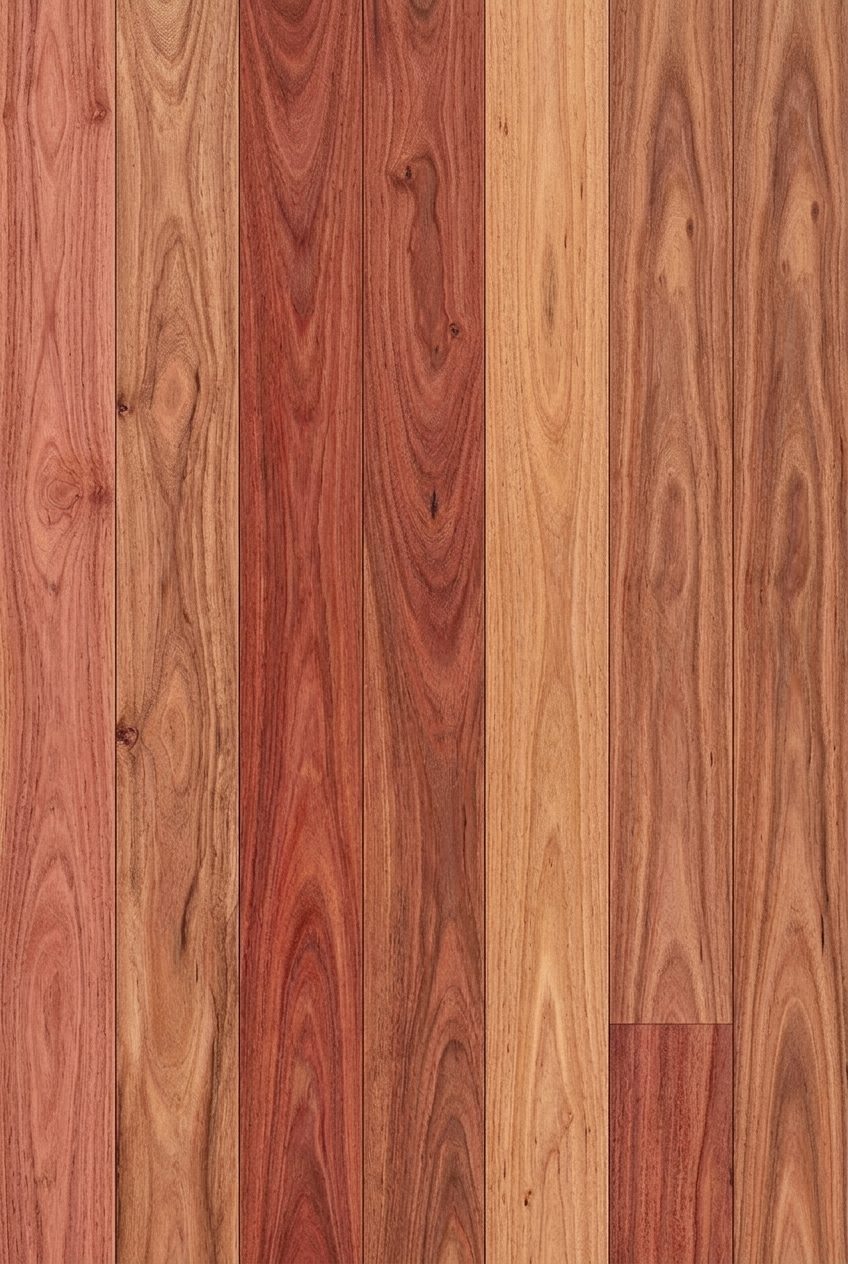
Brush Box

A premium reddish-brown hardwood from the coastal rainforest edges of NSW and Queensland. Deep colour, interlocked grain, exceptional resistance to wear and splintering. Character timber that rewards careful preparation.
Pros
  • Exceptional hardness — 9.5 kN
  • Very resistant to wear and splintering
  • Warm reddish-brown tones with beautiful patina over time
  • Low tannin — less prone to water staining than eucalyptus species
Cons
  • High silica content — chews through abrasives faster than most species
  • Interlocked grain causes distortion during drying and raises fibres if sanded wrong
  • Natural waxiness can cause adhesion issues with some solvent-based finishes
  • Not easy to work — requires experienced hands

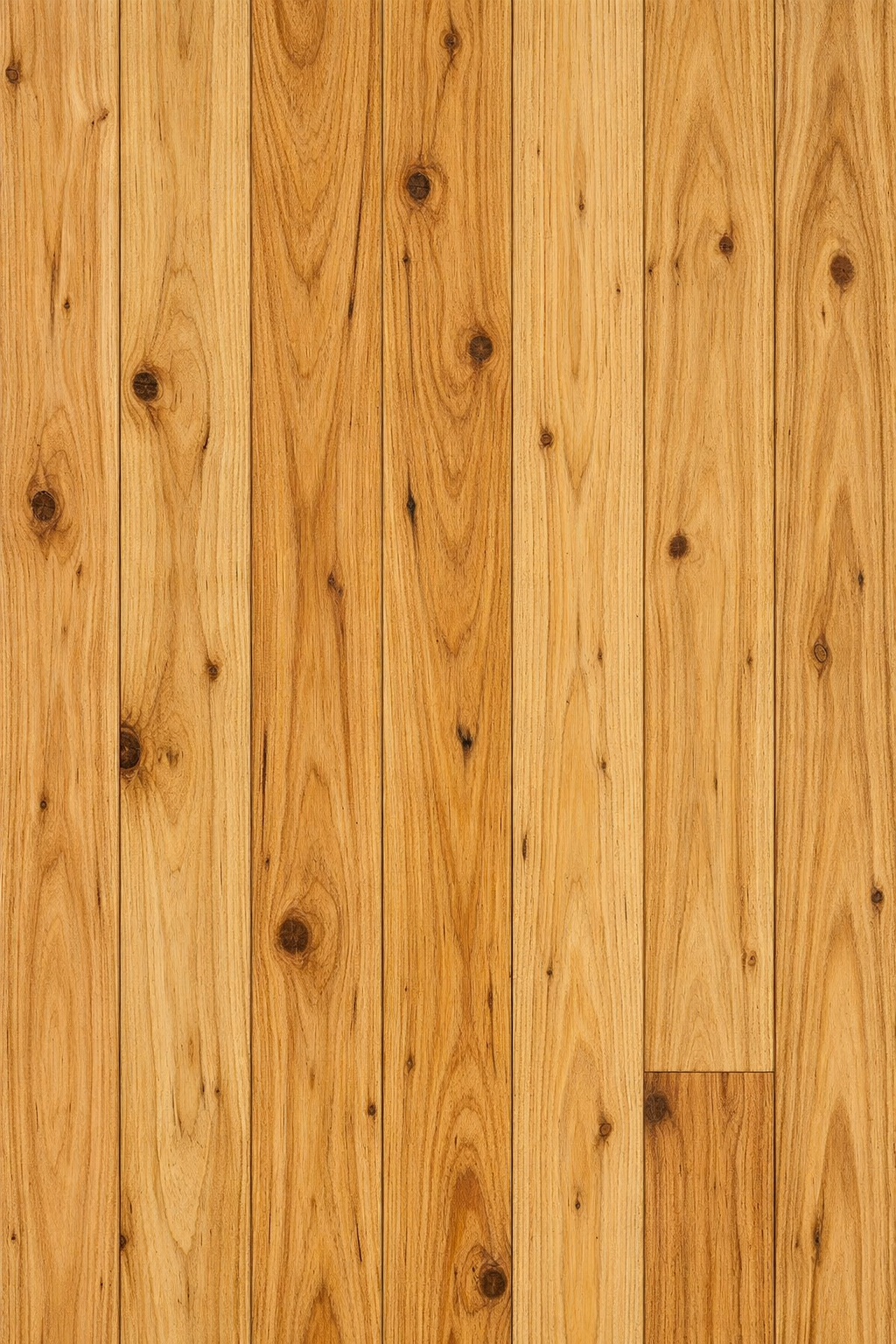
Cypress Pine

The timber hiding under carpet in thousands of pre-1970s homes across QLD and NSW. Honey gold with natural knots and streaks. Termite resistant by nature — no treatment required. That orange glow you remember? That's old amber poly, not the timber.
Pros
  • Naturally termite resistant — Class 1 durability
  • Unique character with knots and grain variation
  • Honey gold colour under a modern clear finish
  • Often already installed — no replacement cost
Cons
  • Knots and resin pockets need careful prep before finishing
  • Softer than most hardwoods — 4.5 kN
  • Can bleed through finish if knots aren't sealed properly

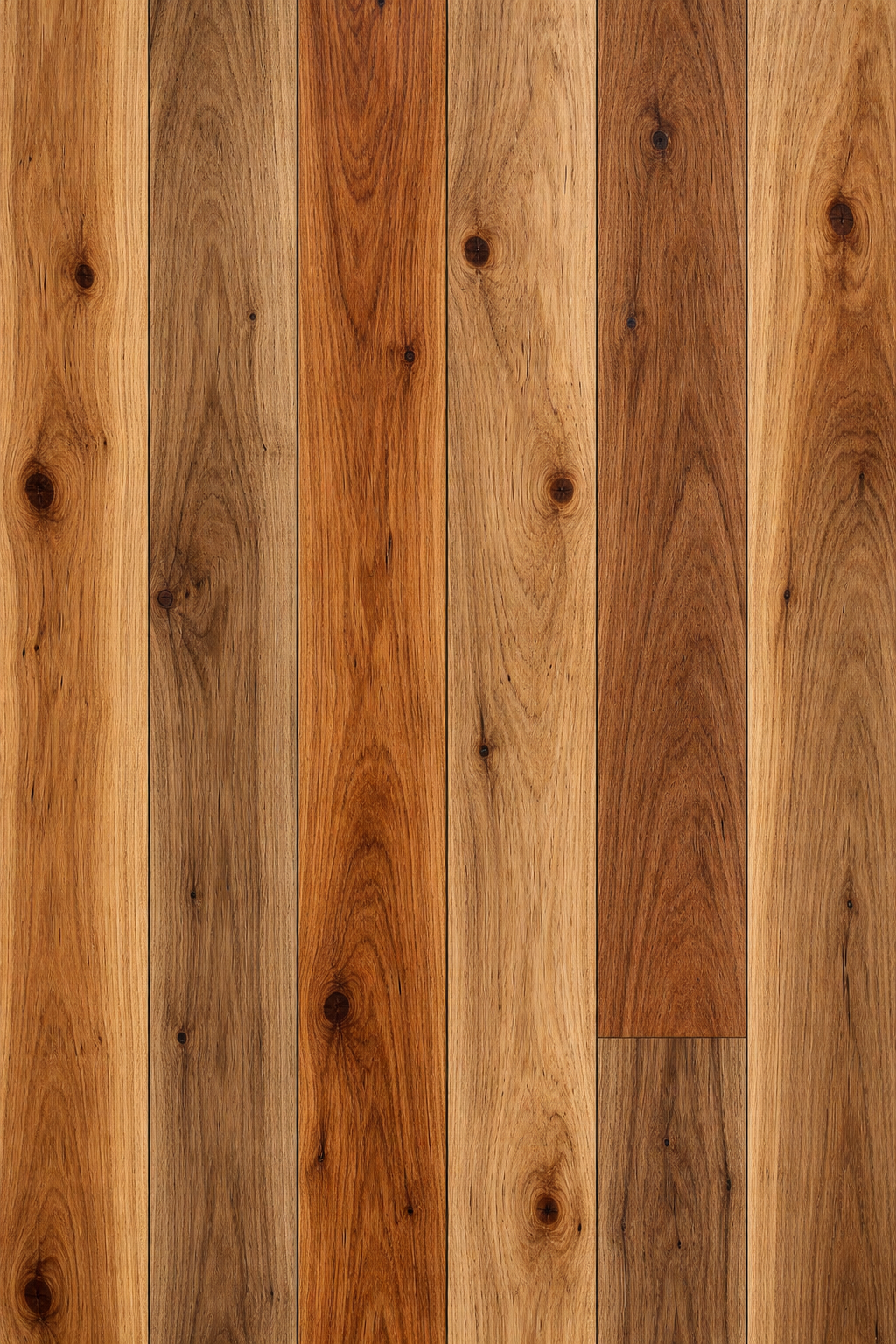
Spotted Gum

The hardest domestic flooring option in common use. The wavy interlocked grain creates a natural silvery lustre that shifts under light. Colour ranges from pale cream through to deep chocolate — no two floors are alike.
Pros
  • Exceptionally hard — 11.0 kN, Class 1 durability
  • Striking wavy grain with natural sheen
  • Highly resistant to wear and traffic
  • Wide colour variation — each floor is unique
Cons
  • Interlocked grain — direction matters, tear-out risk if rushed
  • Harder to sand than most species — chews through abrasives
  • Clear finishes only — staining doesn't suit the character

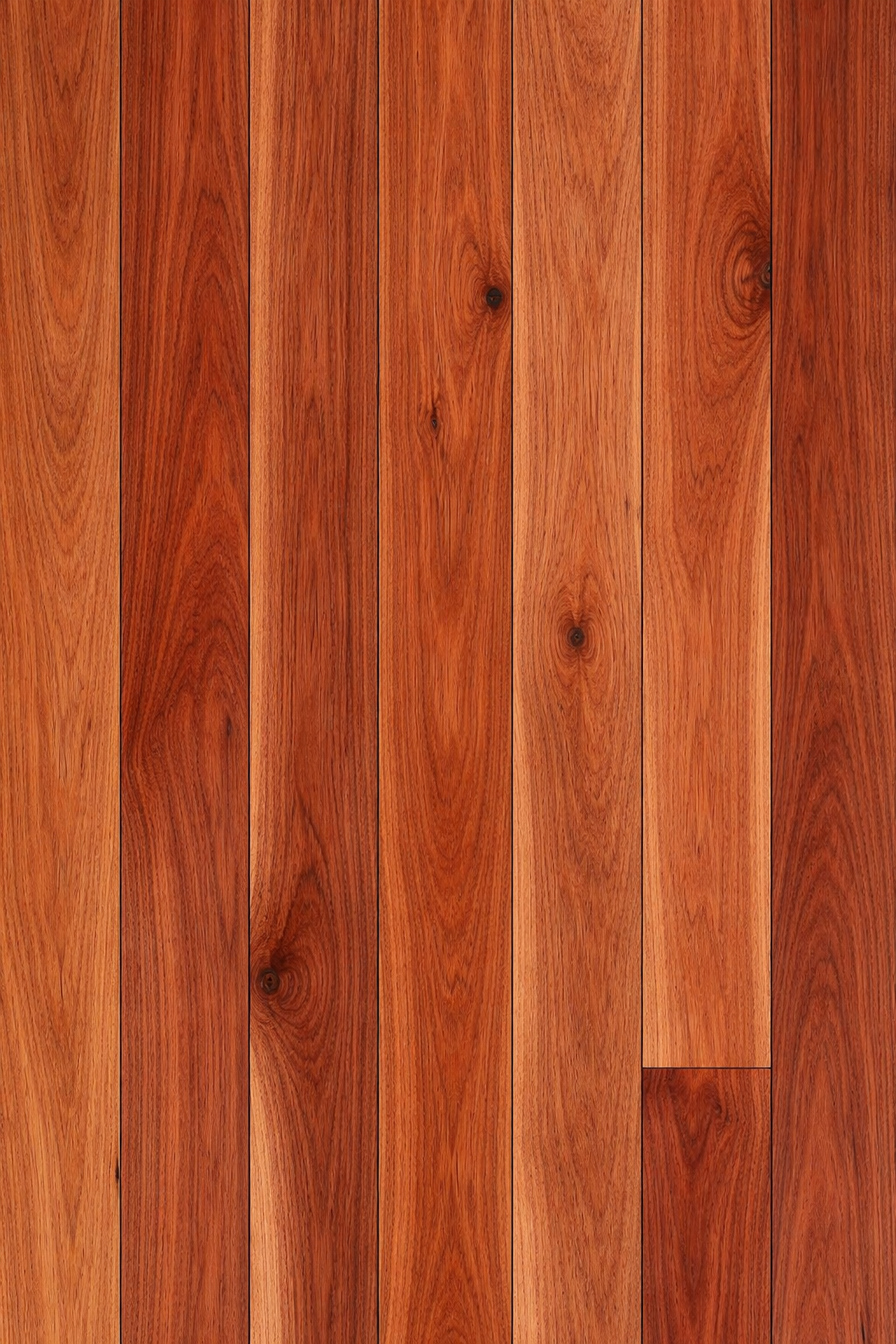
Sydney Blue Gum

The quintessential Central Coast timber. Pale pink with soft blue-grey and cream tones — a sophisticated palette that suits coastal interiors perfectly. Slightly interlocked grain but nothing dramatic.
Pros
  • Class 1 durability — 8.6 kN
  • Pale coastal palette, suits contemporary and Hampton styles
  • Widely available in Central Coast homes
  • Whitewash finishes are particularly striking
Cons
  • Pale colour shows dust and scratches more readily
  • Any sanding marks will show — prep matters
  • Limited stain range — best kept natural or white-washed

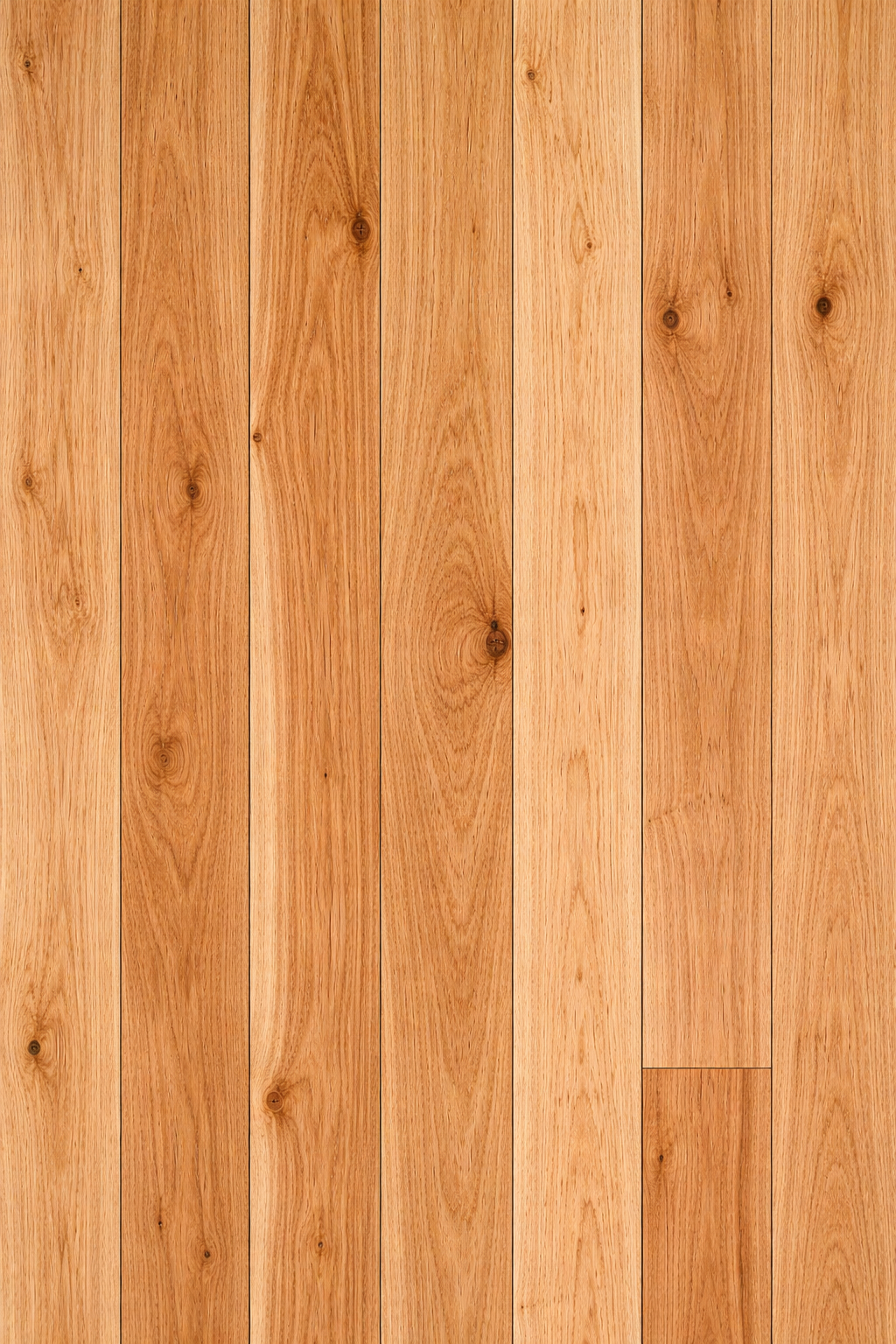
Tasmanian Oak / Victorian Ash

A trade name covering related Eucalyptus species from Tasmania and Victoria. Light straw tones with occasional pink blush. The most finish-flexible species we work with — takes everything from dark stain to white wash with equal success.
Pros
  • Versatile — suits any stain colour
  • Even grain, consistent finish result
  • Lighter weight and easier to work with
  • Cost-effective option for new installs
Cons
  • Softer than true hardwoods — 5.5 kN
  • More susceptible to denting in high-traffic areas
  • Less character than gum species — suits minimalist aesthetics

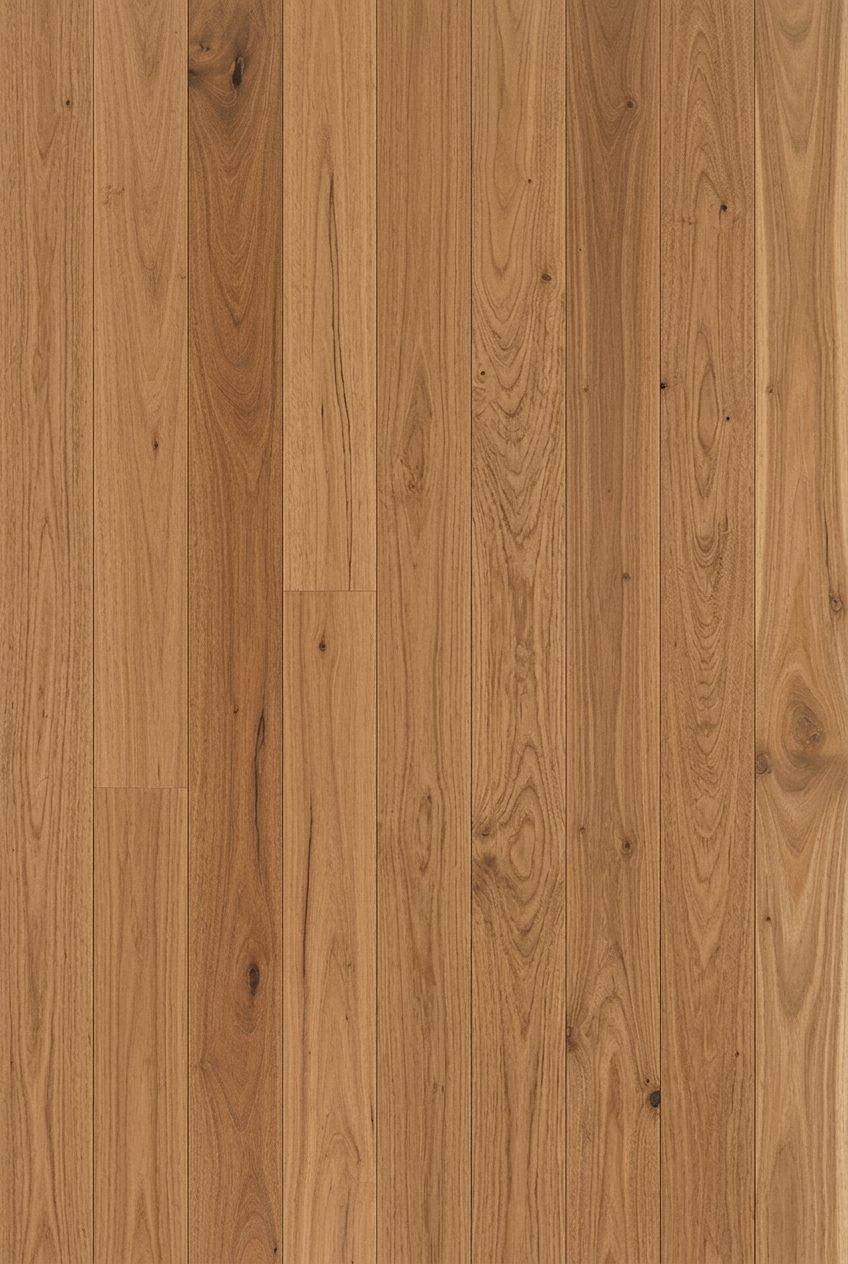
Victorian Ash

Closely related to Tasmanian Oak. Pale, fine-grained, and reliable. The clean even surface takes finishes consistently — grey stains, white washes, and natural clears all come up beautifully. A no-drama species that delivers every time.
Pros
  • Clean, fine grain — finishes go down perfectly
  • Grey and whitewash stains are especially popular
  • Pale canvas suits almost any interior style
  • Reliable, no surprises on the job
Cons
  • Softer species — 5.5 kN, not ideal for heavy-traffic commercial
  • Less visual character than harder gum species
  • Needs topcoat refreshed more regularly in busy households